Poulet Yassa is one of the most celebrated dishes of Senegalese cuisine and a cornerstone of West African food culture. Known for its bold lemon flavor, slow-cooked onions, and perfectly tender chicken, this dish is both simple in ingredients and complex in taste. What sets Poulet Yassa apart from ordinary chicken recipes is its mastery of balance—acidity, savoriness, and aroma working together in harmony.
This article provides a complete, authentic, and expert-level guide to Poulet Yassa, covering its cultural origins, cooking philosophy, preparation techniques, flavor science, variations, and serving traditions.
What Is Poulet Yassa?
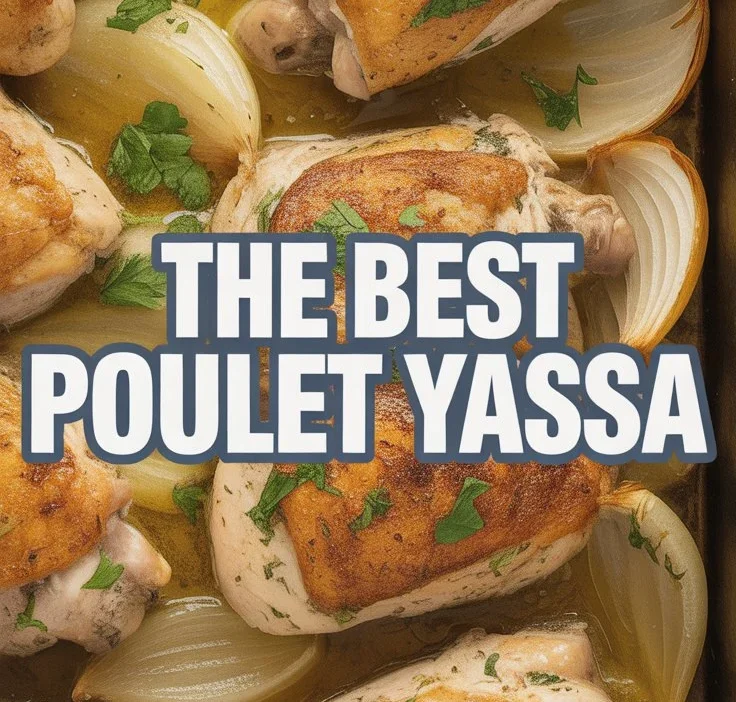
Poulet Yassa is a traditional Senegalese dish made with marinated chicken, fresh lemon juice, large quantities of onions, mustard, and mild seasonings. The chicken is typically marinated for several hours, grilled or seared, then simmered gently in a rich onion-lemon sauce until tender.
The dish is widely enjoyed not only in Senegal but also across West Africa and in international kitchens due to its bright yet comforting flavor profile.
Cultural and Historical Background
Poulet Yassa originates from the Casamance region of southern Senegal, an area known for its fertile land and abundant citrus production. Lemons play a central role in the dish, reflecting the agricultural identity of the region.
In Senegalese culture, meals are deeply communal. Poulet Yassa is commonly prepared for:
- Family gatherings
- Religious celebrations
- Community events
- Special occasions
Traditionally, the dish is served from a shared platter, emphasizing togetherness and hospitality.

Why Poulet Yassa Is Unique
Unlike many chicken dishes that rely on heavy spices, Poulet Yassa is defined by:
- Extended marination, allowing flavors to penetrate deeply
- Onion-based sauce, where onions are softened rather than browned
- Acid-fat balance, using lemon juice tempered with oil and slow cooking
- Minimal ingredients, where technique matters more than quantity
This approach creates a dish that is vibrant without being sharp and rich without being heavy.
Ingredient Overview
Authentic Poulet Yassa uses simple, high-quality ingredients:
- Bone-in chicken pieces
- Fresh lemons (never bottled juice)
- Yellow onions, thinly sliced
- Mustard (Dijon or similar)
- Garlic
- Neutral cooking oil
- Bay leaves
- Salt and black pepper
- Optional chili or hot pepper
Each ingredient has a specific purpose, contributing to depth rather than overpowering the dish.
Traditional Preparation Method
Marination
The chicken is coated with lemon juice, mustard, onions, garlic, salt, and pepper, then rested for several hours or overnight. This step:
- Tenderizes the meat naturally
- Builds flavor from the inside out
- Reduces the need for excess seasoning
Cooking the Chicken
Traditionally, the marinated chicken is grilled over open flames to develop light smokiness. In modern kitchens, pan-searing or oven roasting is commonly used.
Onion Sauce Development
The marinated onions are cooked slowly in oil until soft, translucent, and slightly sweet. This process mellows their sharpness and forms the base of the sauce.
Final Simmer
The chicken is returned to the pan and gently simmered in the onion sauce, allowing the flavors to fully integrate.
Flavor Profile Explained
Poulet Yassa delivers a refined and layered taste experience:
- Bright citrus notes from lemon
- Savory richness from slow-cooked onions
- Subtle sharpness from mustard
- Optional warmth from chili
The result is a dish that feels fresh, comforting, and deeply satisfying.
Expert Cooking Tips
- Use bone-in chicken for superior flavor
- Marinate for at least 6 hours, preferably overnight
- Slice onions thinly so they melt into the sauce
- Cook onions gently to avoid bitterness
- Adjust lemon intensity at the end, not early
These techniques elevate the dish from good to exceptional.
Common Mistakes to Avoid
- Using bottled lemon juice instead of fresh
- Skipping or shortening marination time
- Burning onions instead of softening them
- Over-spicing and masking the natural flavors
Authentic Poulet Yassa relies on restraint and precision.
Popular Variations
- Yassa Poisson – prepared with fish
- Spicy Yassa – featuring hot chili peppers
- Oven-baked versions – common in modern kitchens
All variations preserve the core identity of lemon, onion, and gentle cooking.
Serving Suggestions
Traditionally served with:
- Steamed white rice
- Broken rice (riz brisé)
Modern accompaniments may include:
- Couscous
- Flatbread
- Light vegetable sides
The sauce is meant to be soaked up and enjoyed fully.
Nutritional Perspective
Poulet Yassa is:
- High in protein
- Naturally gluten-free
- Lower in added sugars
- Rich in natural antioxidants from onions and lemons
It is a satisfying meal that feels nourishing without being heavy.

Frequently Asked Questions
Is Poulet Yassa spicy?
Traditionally mild, with optional heat.
Can it be made ahead of time?
Yes. Flavor often improves after resting.
Can chicken breast be used?
Yes, but thighs and drumsticks are more authentic and flavorful.
Is Poulet Yassa healthy?
When prepared traditionally, it is balanced and wholesome.
Why Poulet Yassa Deserves Global Recognition
Poulet Yassa represents the essence of Senegalese cooking—respect for ingredients, patience, and balance. Its worldwide appeal lies in its ability to feel both exotic and comforting at the same time.
Final Conclusion
Poulet Yassa is more than a recipe; it is a culinary tradition shaped by culture, geography, and technique. When prepared with care and authenticity, it delivers a flavor experience that is timeless and unforgettable.
This dish stands as a powerful example of how simple ingredients, treated thoughtfully, can create extraordinary results.